Practice reading using our interactive phonics readers. Click on a thumbnail or button to start reading.
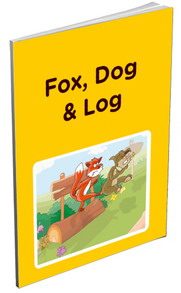
Fox, dog & log
Short ‘o’ Phonics story – og, ox, word families. See the short ‘o’ in action in this story.
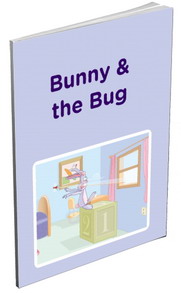
Bunny & Bug
Short ‘u’ story – ug, uzz, uff word families.
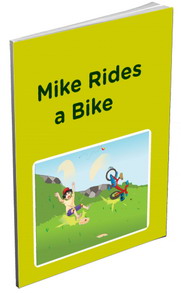
Mike Rides a Bike
: Long ‘i’ word families – ike, ide, ite, igh and ‘y’ as long ‘i’ will be learned.
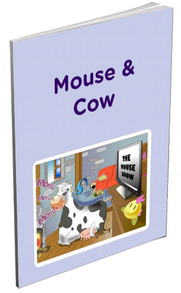
Mouse Cow
Diphthongs ‘ou’ and ‘ow’ making the sound /au/ will be learned in this funny story.
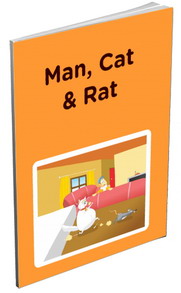
Man Cat & Rat
Short ‘a’ and word families phonics story – at, an, ast, atch, ap & grab.
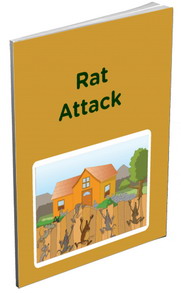
Rat Attack
Short ‘a’ Phonics story – at, atch, ap, ack, word families.
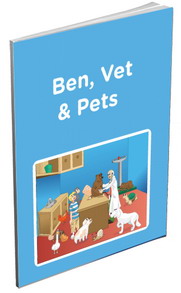
Ben, Pets & Vet
Short ‘e’ Phonics story – et, en, ell, elp, word families.
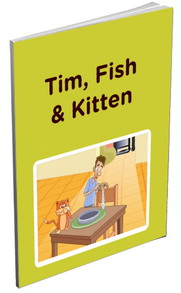
Tim, Kitten & Fish
Short ‘i’ Phonics story – ish, im, word families.
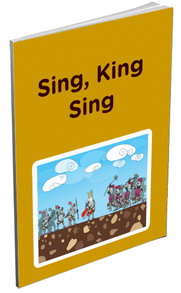
Sing King! Sing
Endings digraph ‘ing, ong’, ending blends ‘nd’ and more sight words will be learned in this story.
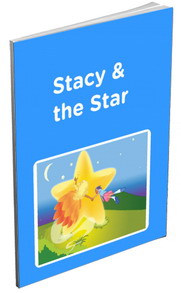
Stacy & Star
Consonant blends ‘st, sk, sl’ and a few other consonant blends.
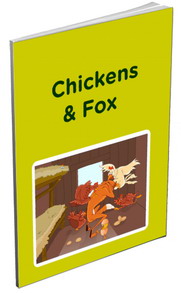
Chickens & Fox
Consonant digraph ‘ch’ and sight words are practiced in this story.
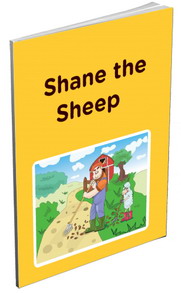
Shane the sheep
Consonant digraph ‘sh’ and sight words are learned in this story.
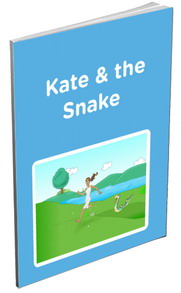
Kate & Snake
Long ‘a’ and word families, vowel digraphs – ain, ay, ake, ate, ase, ape and sight words to learn.
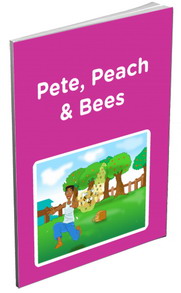
Pete, Peach & Bees
Long ‘e’, vowel digraphs and word families are learned – ee, ea, ete.
Joe & Goat
Long ‘o’ vowel digraphs and word families – oat, oe, ow, ome.
Cute Mule
Long ‘u’ with the letter ‘u’ – ute, ule, une, ude.
Good Cook
Short ‘oo’ story. Practice the short sound of ‘oo’ and sight words.
Birds, Girls, Farmer Story
R-Controlled Vowel Phonics story – ir, ur, er, r-controlled vowels.
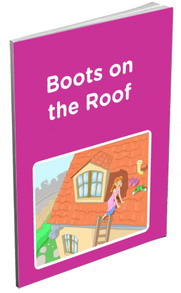
Boots on the Roof
Long OO vowel digraph phonics story – oo, oo.
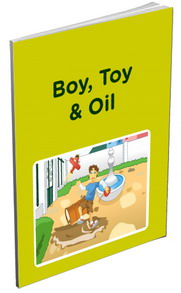
Boy, Toy, Oil Story
Double Vowel Diphthongs Phonics story – oi, oy diphthongs.
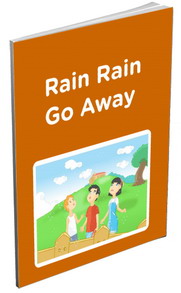
Rain Rain Go Away
You will learn long ‘a’ vowel digraphs in this phonics story and long ‘a’ silent ‘e’ – ai, ay, ame.
Unlock the World of Reading with Phonics Readers Stories
Phonics is a method for teaching reading and writing by developing a learner's phonemic awareness. Phonics readers are specialized books that help children practice these skills in a structured yet enjoyable manner. From short phonics stories to interactive phonics reading, this article is your comprehensive guide to the fascinating world of phonics stories.
Table of Contents
Why Choose Phonics Readers for Kids?
Key Features of Effective Phonics Readers
Choosing the Right Phonics Reader
Interactive Elements in Phonics Stories
FAQs
Why Choose Phonics Readers for Kids?
Phonics is a proven method for improving reading skills in children. But why should you consider phonics readers as opposed to other types of reading materials?
The Power of Phonics Reading
Phonics reading helps kids learn the relationship between letters and sounds. It not only improves reading fluency but also enhances spelling and vocabulary.
Engaging Short Phonics Stories
Phonics readers often include short phonics stories designed to captivate children's attention while simultaneously helping them apply the phonics principles they've learned. These stories often involve relatable characters and situations, making reading a delightful experience.
Key Features of Effective Phonics Readers
When choosing a phonics reader, there are specific characteristics to look for.
Consistent Phonics Patterns
An effective phonics reader emphasizes specific phonetic patterns in each story. This consistency allows children to practice the same set of skills throughout the reading.
Vocabulary Building
Words in a phonics story should be carefully selected to not only follow the phonetic patterns but also to build vocabulary.
Illustrations
Vivid, colorful illustrations that match the text can make phonics stories more engaging and can also provide context clues for new vocabulary.
Choosing the Right Phonics Reader
The market is flooded with various types of phonics readers, but how do you pick the one that suits your child's needs?
Age-Appropriate Stories
Choose a phonics reader with stories that match your child's age and comprehension level.
Reviews and Recommendations
Look for phonics readers that come highly recommended, either by educators or parents who have found them effective.
Level of Interactivity
Interactive elements can make phonics reading even more engaging. For instance, digital phonics readers often have clickable elements that provide instant feedback.
Interactive Elements in Phonics Stories
Phonics stories are not limited to print; there are interactive versions that make use of technology to enhance the learning experience.
Digital Phonics Readers
Digital phonics readers offer various interactive elements like clickable words, animations, and even quizzes at the end of each phonics story. For interactive and engaging phonics readers, you can visit Kiz Phonics Readers.
Games and Quizzes
Some phonics readers come with games and quizzes related to the stories. These activities serve as effective tools for reinforcing the phonetic principles learned during the reading.
FAQs
What Are Phonics Readers?
Phonics readers are specialized books that contain stories designed to help children practice phonetic skills.
How Do Phonics Stories Help in Learning?
Phonics stories emphasize specific phonetic patterns, helping children to internalize these rules, thereby improving their reading and spelling skills.
What Should I Look for in a Phonics Reader?
An effective phonics reader should include consistent phonetic patterns, opportunities for vocabulary building, and engaging illustrations.
Are Digital Phonics Readers Effective?
Yes, digital phonics readers can be effective, especially when they include interactive elements. For interactive phonics stories, you can check here.
Where Can I Find Quality Phonics Readers?
You can find a range of quality phonics readers online and in educational stores. For a curated list of effective phonics readers, visit Kiz Phonics Readers.
Phonics readers are more than just books; they are tools that can unlock a world of literacy for your child. With carefully crafted phonics stories, engaging visuals, and a focus on phonetic consistency, these specialized readers offer an effective and engaging way for kids to improve their reading skills. Whether you opt for traditional print versions or explore interactive digital formats, phonics readers can be a valuable addition to your child's educational journey. Happy reading!
Featuring Videos


Featuring Games


Introduction to Phonics Readers
Welcome to your dedicated space for mastering Phonics Readers. In early childhood education, establishing a strong foundation in phonics is the key to unlocking literacy. Whether you are a teacher planning a comprehensive curriculum or a parent helping your child read their first words, our resources are designed to make learning effective and enjoyable.
This guide focuses on phonics based reading books and associated phonemic concepts. We understand that learning to read is a journey that involves recognizing sounds, decoding words, and understanding meaning. Our materials—ranging from printable worksheets to interactive games—bridge the gap between theory and practice, ensuring students grasp the nuances of English pronunciation and spelling.
The Importance of Systematic Phonics Instruction
Why focus on Phonics Readers? Systematic phonics instruction is proven to be the most effective way to teach children how to read. By explicitly teaching the relationship between letters and sounds, we empower students to decode new words independently.
Key Learning Outcomes
- Phonemic Awareness: Activities centered on i can read phonics books help children hear and manipulate individual sounds.
- Decoding Skills: Through consistent practice, students learn to blend sounds to form words, moving from simple CVC (Consonant-Vowel-Consonant) words to complex patterns.
- Reading Fluency: Repeated exposure to these patterns builds speed and accuracy, allowing students to focus on comprehension rather than just decoding.
Core Concepts and Vocabulary
To successfully teach or learn Phonics Readers, familiarity with specific terms is helpful. Here are the key concepts covered in this section:
- I Can Read Phonics Books: specific practice materials designed to reinforce this phonics rule.
- Phonics Story Books: specific practice materials designed to reinforce this phonics rule.
- Phonics Readers: specific practice materials designed to reinforce this phonics rule.
How to Use These Resources effectively
Different learners respond to different methods. Here is how you can integrate our Phonics Readers materials into your teaching strategy:
Printable Worksheets
Paper-based practice is crucial for handwriting and fine motor skills. Download our phonics based reading books worksheets for quiet time work. Encourage students to say the words aloud as they write them, reinforcing the connection between the hand, eye, and ear.
Frequently Asked Questions about Phonics Readers
At what age should I introduce Phonics Readers?
Every child is different, but these concepts are typically introduced in Pre-K to 1st Grade. Look for signs of readiness such as interest in letters and rhyming.
How can I help struggling readers with this?
Patience and repetition are key. Use our phonics based reading books visual aids and slow down the pace. Multisensory approaches—tracing letters in sand, using magnetic letters—can also help.
Conclusion
Thank you for using KizPhonics as your partner in literacy education. We are dedicated to providing high-quality, research-based Phonics Readers materials. Bookmark this page to easily access phonics based reading books resources whenever you need them. Happy teaching and happy reading!