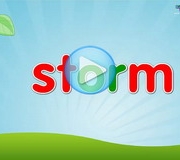
‘aw’ vowel Phonics Video
This is a phonics video on the 'aw' vowel. Learn to sound out, recognize and spell words that have a similar 'aw' vowel.
Tips: Children should watch the video the first time non-stop. Second time, they watch and pause at each word to repeat. Finally, put the video on silent mode and let children try to read the words.
Learning English can be both exciting and challenging, especially for children who are just starting out. One of the key components of English language acquisition is phonics, which involves learning how to sound out, recognize and spell different letter combinations.
If you're looking for a fun and effective way to help your child master the 'aw' vowel sound, then look no further than this amazing phonics video! In just a few short minutes, your child will learn all about this important sound and be able to read and spell lots of new words.
To get the most out of the video, we recommend that children watch it non-stop the first time around. Then, on the second viewing, they should pause the video after each word to repeat it out loud. Finally, they can put the video on silent mode and try reading the words independently.
By following these tips, your child will not only improve their phonics skills, but also build their confidence and love for learning. So why wait? Check out this awesome video and help your child become an English language pro today!
Introduction to Aw Vowel Phonics Video
Welcome to your dedicated space for mastering Aw Vowel Phonics Video. In early childhood education, establishing a strong foundation in phonics is the key to unlocking literacy. Whether you are a teacher planning a comprehensive curriculum or a parent helping your child read their first words, our resources are designed to make learning effective and enjoyable.
This guide focuses on aw phonics and associated phonemic concepts. We understand that learning to read is a journey that involves recognizing sounds, decoding words, and understanding meaning. Our materials—ranging from printable worksheets to interactive games—bridge the gap between theory and practice, ensuring students grasp the nuances of English pronunciation and spelling.
The Importance of Systematic Phonics Instruction
Why focus on Aw Vowel Phonics Video? Systematic phonics instruction is proven to be the most effective way to teach children how to read. By explicitly teaching the relationship between letters and sounds, we empower students to decode new words independently.
Key Learning Outcomes
- Phonemic Awareness: Activities centered on Aw Vowel Phonics Video help children hear and manipulate individual sounds.
- Decoding Skills: Through consistent practice, students learn to blend sounds to form words, moving from simple CVC (Consonant-Vowel-Consonant) words to complex patterns.
- Reading Fluency: Repeated exposure to these patterns builds speed and accuracy, allowing students to focus on comprehension rather than just decoding.
Core Concepts and Vocabulary
To successfully teach or learn Aw Vowel Phonics Video, familiarity with specific terms is helpful. Here are the key concepts covered in this section:
- Aw Phonics: specific practice materials designed to reinforce this phonics rule.
How to Use These Resources effectively
Different learners respond to different methods. Here is how you can integrate our Aw Vowel Phonics Video materials into your teaching strategy:
Printable Worksheets
Paper-based practice is crucial for handwriting and fine motor skills. Download our aw phonics worksheets for quiet time work. Encourage students to say the words aloud as they write them, reinforcing the connection between the hand, eye, and ear.
Frequently Asked Questions about Aw Vowel Phonics Video
At what age should I introduce Aw Vowel Phonics Video?
Every child is different, but these concepts are typically introduced in Pre-K to 1st Grade. Look for signs of readiness such as interest in letters and rhyming.
How can I help struggling readers with this?
Patience and repetition are key. Use our aw phonics visual aids and slow down the pace. Multisensory approaches—tracing letters in sand, using magnetic letters—can also help.
Conclusion
Thank you for using KizPhonics as your partner in literacy education. We are dedicated to providing high-quality, research-based Aw Vowel Phonics Video materials. Bookmark this page to easily access aw phonics resources whenever you need them. Happy teaching and happy reading!